
Maine Roof Winterization Checklist: Prepare Your Roof for Snow and Ice
Don't Get Caught Off Guard This Winter
Maine winters can bring heavy snow, freezing rain, wind, and repeated freeze-thaw cycles. A little roof preparation in fall can help you spot developing problems, keep water moving away from the house, and plan repairs before winter weather makes them harder to address. This checklist covers the areas homeowners can review safely from the ground, plus the attic and drainage issues that deserve attention before the first major storm.
A fall checkup cannot make a roof immune to winter damage, but it can help you catch small concerns before snow and ice add stress. If you live in Hallowell, Augusta, Freeport, Portland, Scarborough, Waterville, or another Maine community, use this guide as a starting point and bring in a roofing professional when a concern calls for a closer look.
6 Things to Check Before the First Snowfall
1. Look over the roof from the ground
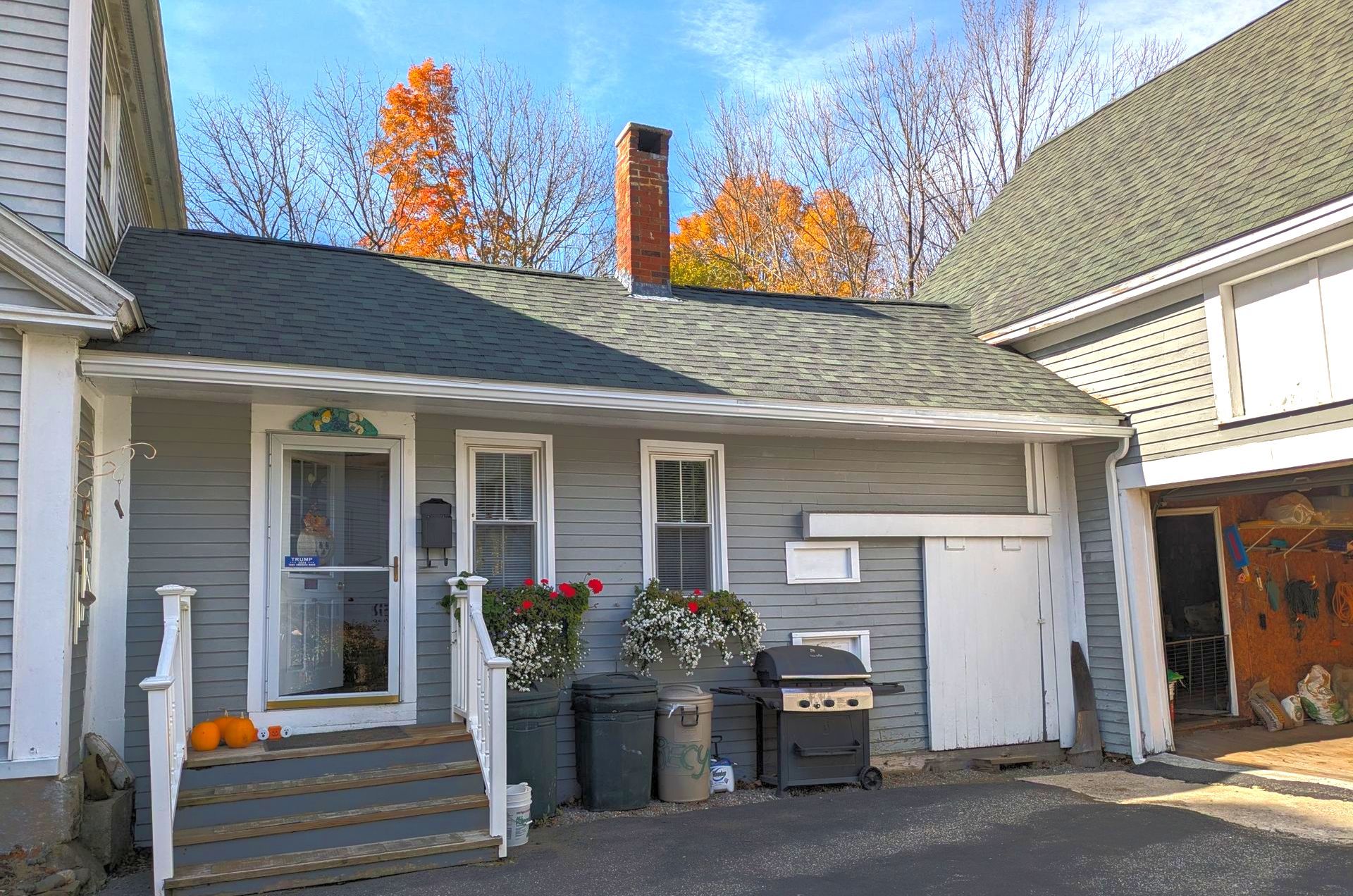
Walk around your home and scan each roof slope from a safe location. Binoculars can help you see details without climbing a ladder. Look for shingles that appear curled, cracked, loose, or missing; uneven roof lines; damaged flashing around chimneys or other roof openings; and debris or branches resting on the roof. Pay attention to areas where two roof sections meet, since valleys and transitions need to shed water freely.
Also look for signs inside the home that may point to a roof problem. Water stains on ceilings or upper walls, damp spots in the attic, peeling paint, or a musty smell can indicate moisture is getting in. A stain may remain after an old leak, so note whether it changes after rain or snow. If you find a new or spreading mark, arrange an inspection rather than waiting for winter to test the area.
Avoid walking on the roof to investigate. Slopes, loose material, frost, and wet leaves can make a roof dangerous even before snow arrives. If something looks uncertain from the ground, a qualified roofer can inspect it safely and tell you whether repair is needed.
2. Clear gutters and check where the water goes
Gutters and downspouts help move rain and melting snow away from the roof edge and foundation. Before freezing weather, remove leaves and other debris, then check that the channels are attached securely and water can flow toward the downspouts. Make sure downspout outlets are open and direct water away from the foundation, walkways, and areas where runoff could refreeze into a hazard.
Look for sagging sections, separated joints, rust, leaks, or fasteners pulling away from the fascia. Pay attention to water marks or soil erosion below the eaves, which can show that water is spilling over or draining in the wrong place. If you need repairs or a new system, explore G & G Construction’s gutter services.
Cleaning gutters often requires ladder work. If the home is tall, the ground is uneven, or you are not comfortable working at height, hire a professional. Do not lean a ladder against a gutter that may not support it.
3. Check roof edges, flashing, and penetrations
Roof edges, flashing, and openings around chimneys, vents, and skylights are common places for water to find a path indoors. From the ground, look for metal flashing that appears bent or displaced, gaps near a chimney, or trim that looks loose. Inside the attic, check for daylight where it should not be visible, damp wood, or water trails near roof penetrations. Do not pull, seal, or cover roofing materials unless you know the correct repair method. A quick patch that traps moisture or redirects water can create a larger problem.
If you notice a leak, missing shingles, or visible storm damage, have the area assessed before snow covers it. G & G Construction provides roof repair services for Maine homeowners and can advise whether the condition calls for a repair or a larger project.
4. Review attic insulation, air leaks, and ventilation
Ice dams can form when heat escaping from the living space warms parts of the roof, causing snow to melt. Water runs toward colder eaves and can refreeze there. Repeated melting and refreezing may create a ridge of ice that holds water against the roof. Improving attic air sealing and insulation, while keeping the roof assembly properly ventilated for its design, can help keep roof temperatures more even and reduce conditions that contribute to ice dams.
If you can safely enter the attic, look for obvious gaps around the attic hatch, wiring, plumbing, bathroom fans, and other ceiling openings. Check whether insulation appears thin, displaced, damp, or compressed, and whether vents are blocked by insulation or stored items. Condensation, frost, musty odors, or darkened wood are reasons to ask for a closer evaluation. Attic systems vary, so avoid blocking vents or adding insulation over damp material without identifying the cause.
A qualified insulation or building professional can assess air leakage, insulation levels, and ventilation together. Addressing only one part of the system may not resolve the underlying issue, and work near electrical equipment or combustion appliances may require specialized care.
5. Make a safe plan for snow and ice
Heavy snow and ice can put added weight on a roof, especially where snow drifts or collects unevenly. Do not climb onto a snowy or icy roof to remove it. Snow removal with a roof rake can also damage roofing materials if it is used carelessly. If snow accumulation concerns you, contact a qualified professional who can assess the conditions and recommend a safe approach for your roof type and building.
Watch for warning signs such as new ceiling leaks, unusual cracking or popping sounds, doors that suddenly stick, or visible sagging. These can signal a serious structural concern. Keep people away from affected areas and contact a qualified contractor or building professional promptly. If water is already entering the home, protect belongings if you can do so safely and arrange help to locate the source.
If you see icicles or an ice ridge forming along the eaves, treat it as a sign to investigate the roof and attic conditions. Avoid chipping ice with tools or applying open-flame heat. These methods can injure you or damage the roof. A professional can determine what is causing the buildup and recommend a suitable response.
6. Schedule repairs before winter weather sets in
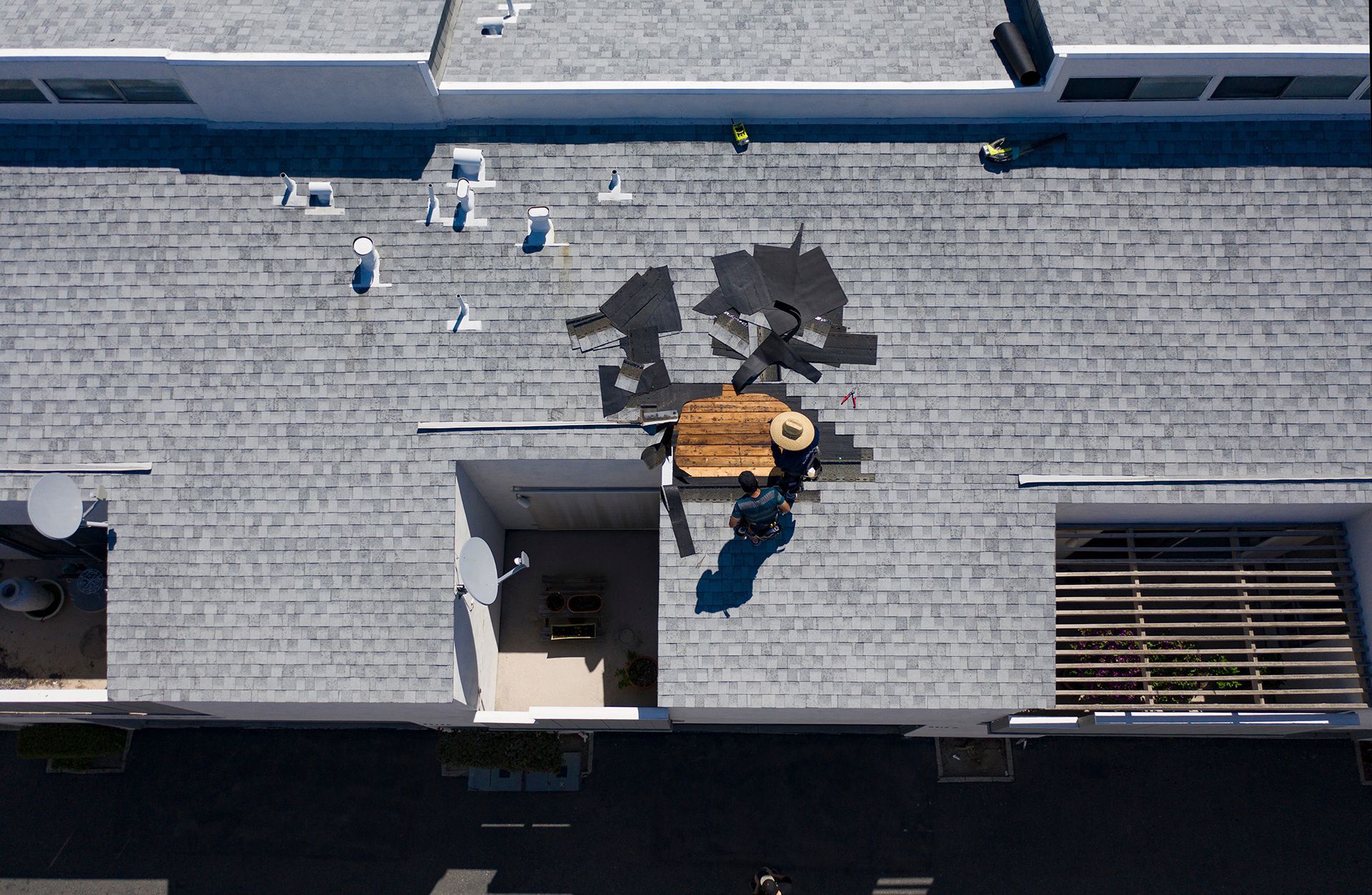
Fall is a useful time to handle loose shingles, worn flashing, drainage problems, and other visible concerns. Repairs may be simpler to plan before snow and ice restrict access, and an early inspection gives you time to understand the options. If the roof has repeated leaks, widespread shingle wear, soft or damaged decking, or several areas needing repair, ask a roofer whether replacement should be considered. The right choice depends on the roof’s condition, age, materials, and repair history.
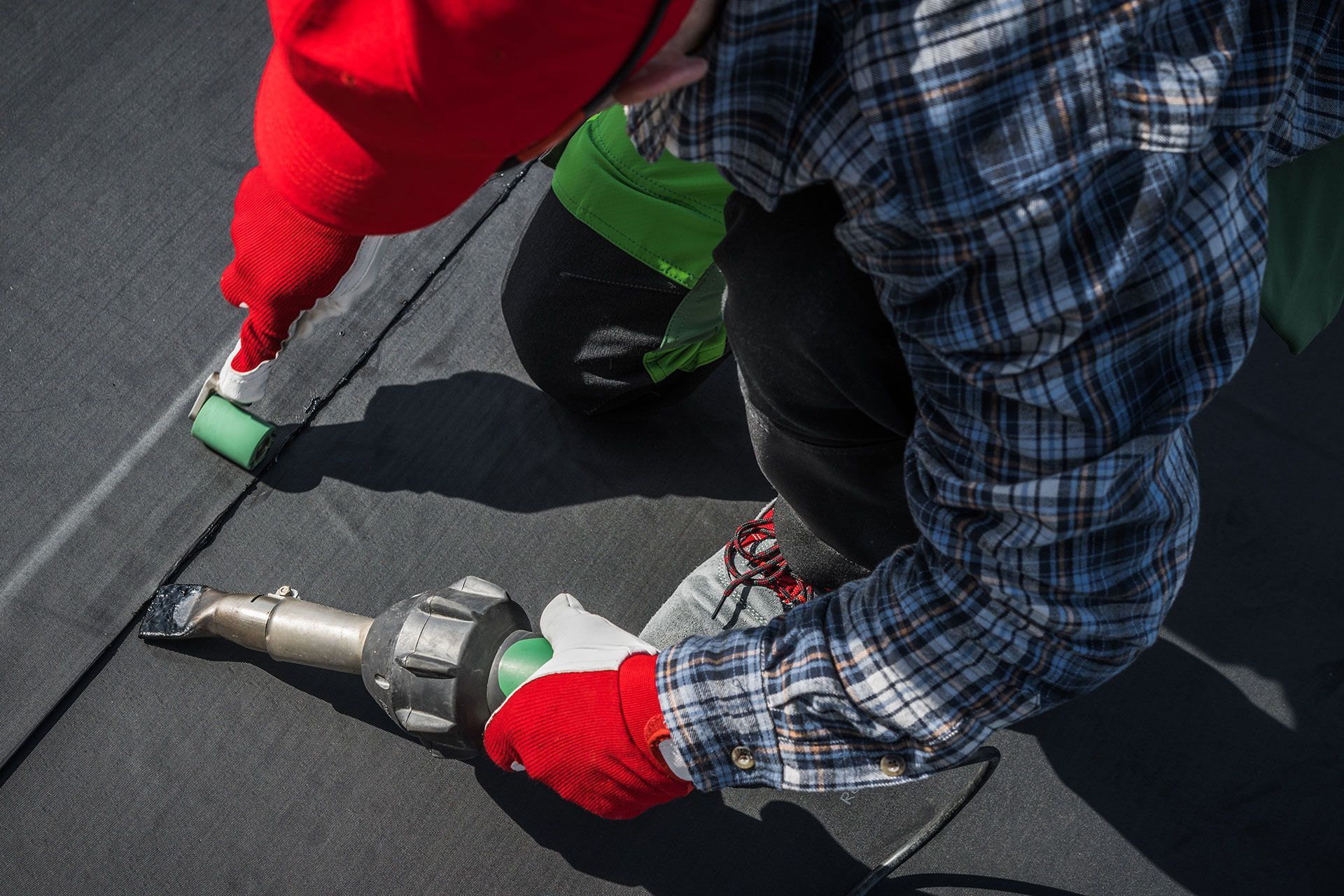
G & G Construction works on asphalt shingle, rubber, and metal roofing and offers repair, replacement, and new installation services in Hallowell and communities throughout Maine. Visit the roofing services page to learn about the available options, or contact the team to schedule a free, in-person estimate.
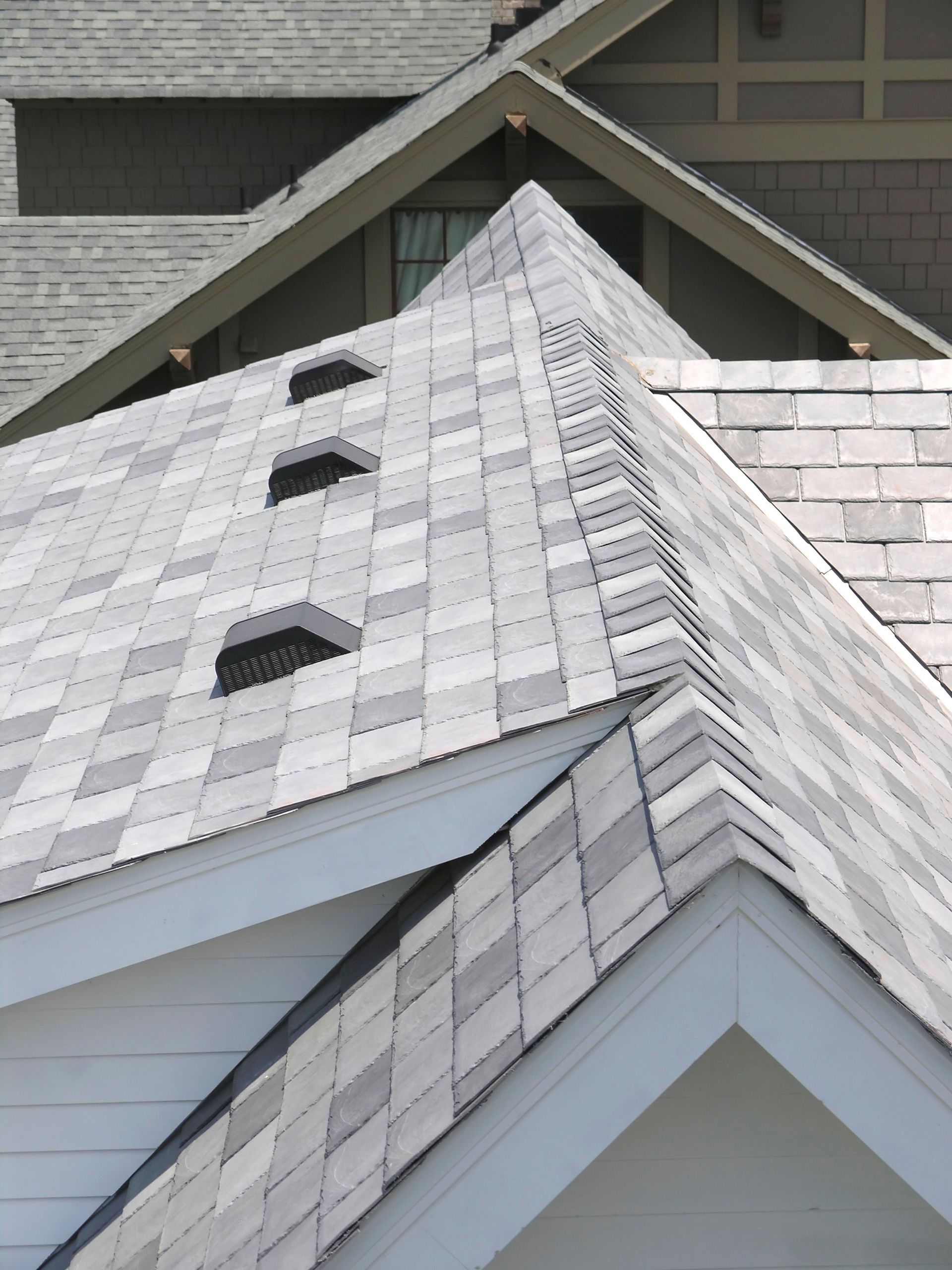
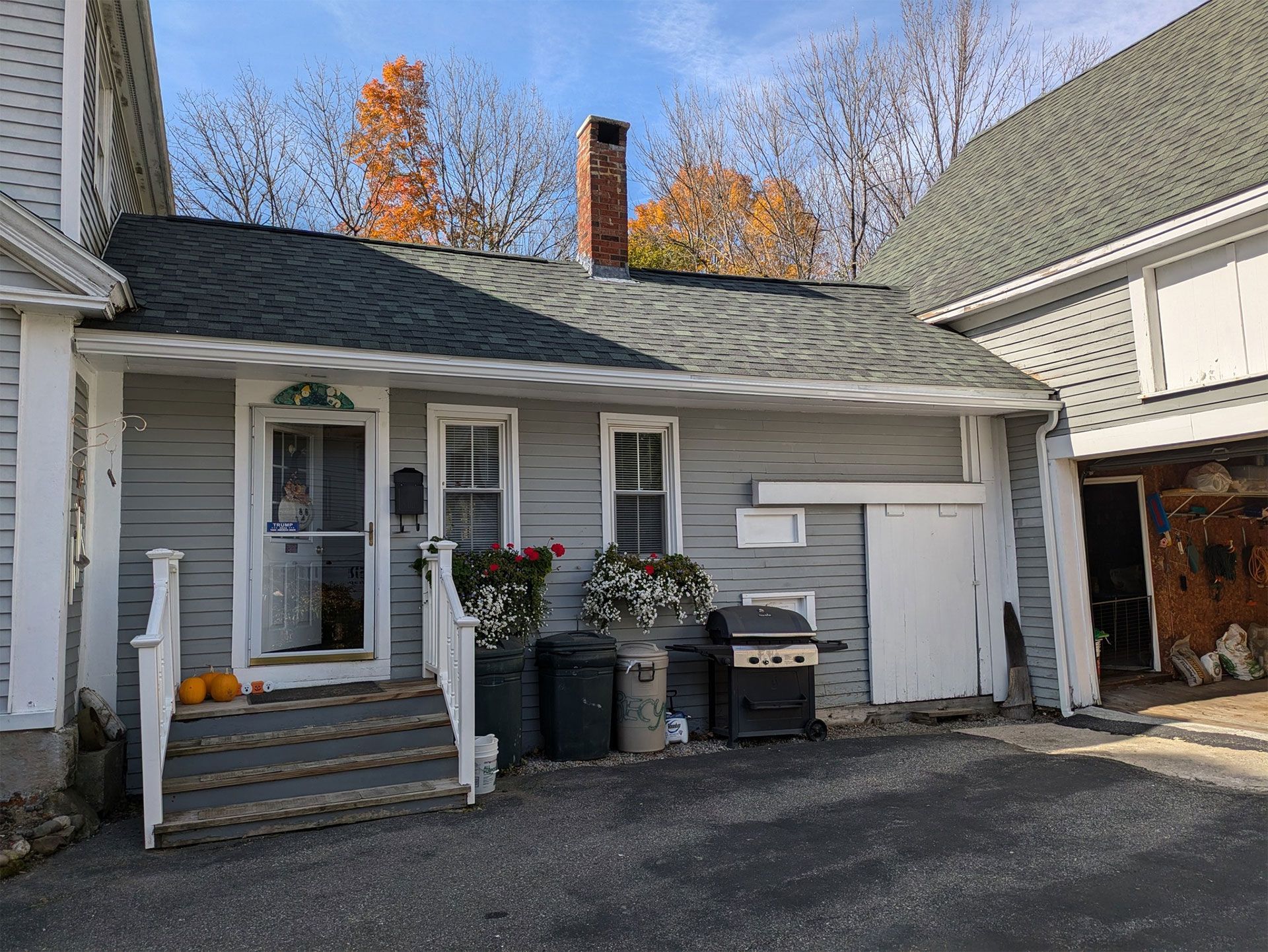
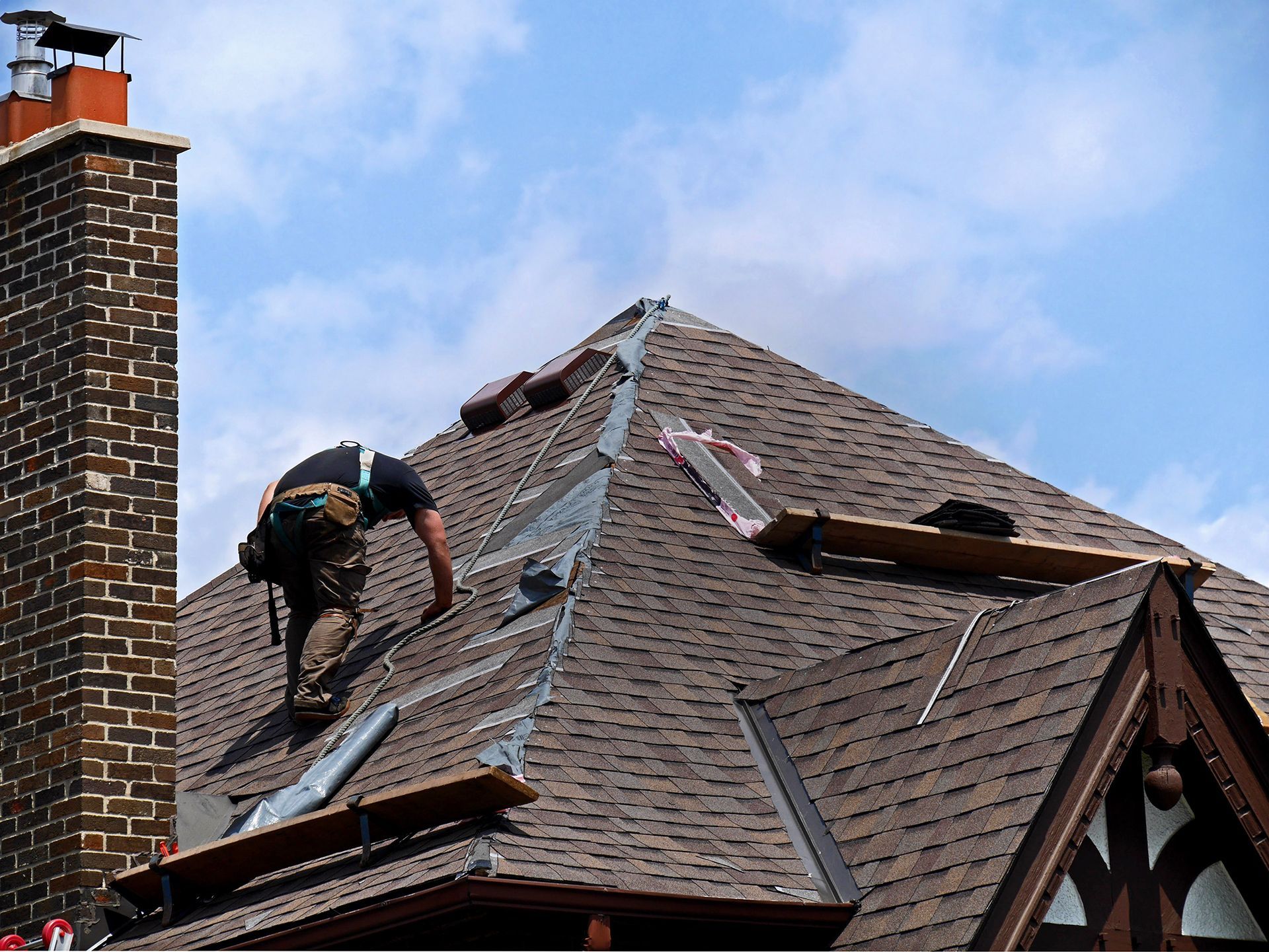
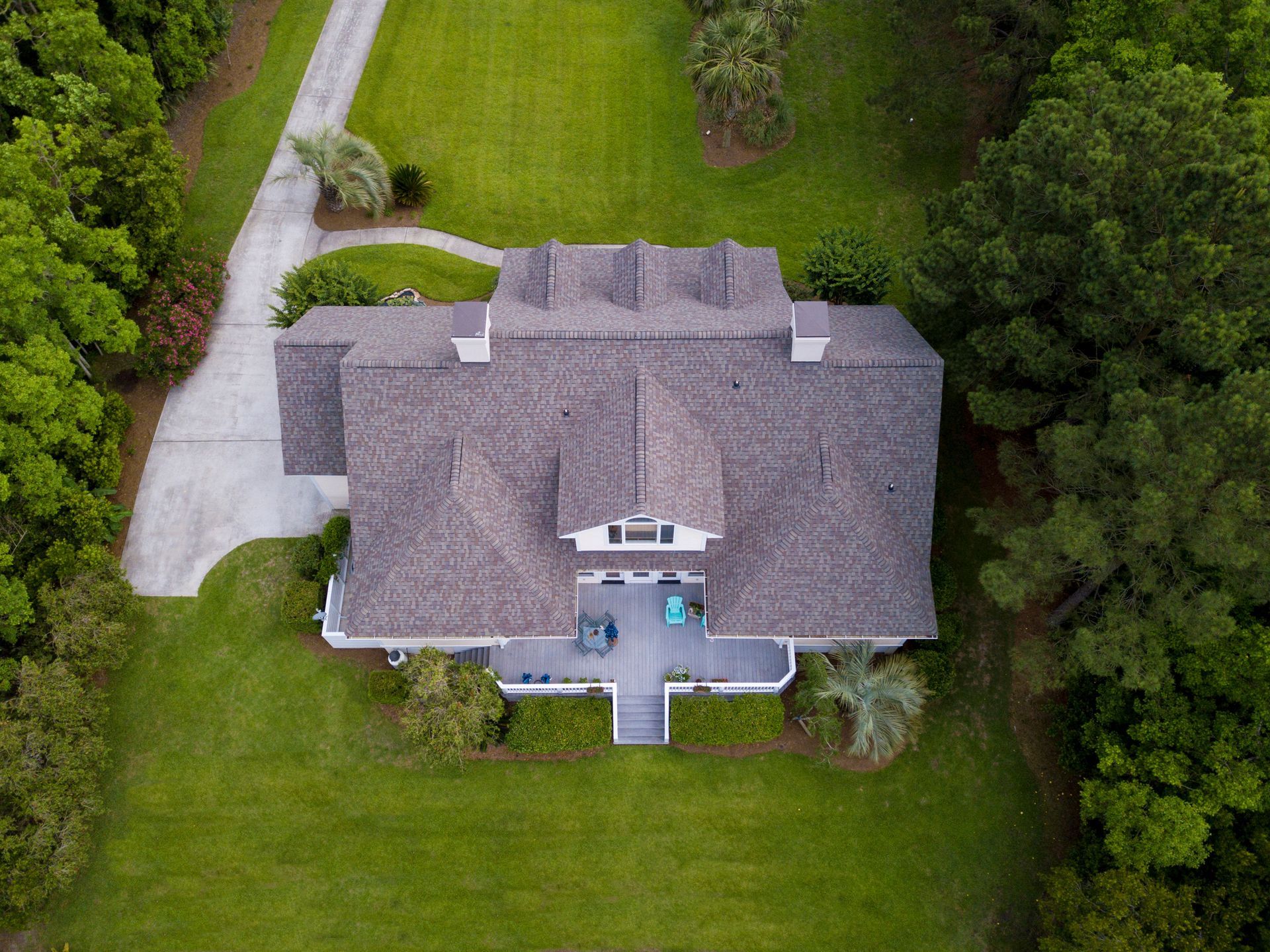
A Practical Fall Checklist to Follow - Contact Us for Any Assistance!
· Inspect roof slopes and edges from the ground; do not climb onto the roof.
· Look for missing, curled, or damaged shingles and displaced flashing.
· Check the attic for dampness, stains, frost, and obvious air leaks.
· Clear gutters and confirm downspouts carry water away from the foundation.
· Keep roof vents clear and have insulation or ventilation concerns evaluated.
· Arrange needed repairs before snow and ice limit access.
· Use a qualified professional for roof inspections and snow or ice concerns.
Preparing your roof for winter does not require climbing a ladder or trying to remove ice yourself. A careful ground-level review, clear drainage paths, and timely professional attention can help you enter the season with a better understanding of your roof’s condition. If you spot a leak, loose roofing, or other concern,
reach out to G & G Construction before the next round of snow and freezing temperatures.


